ERG × Rudny — a comprehensive safety overhaul
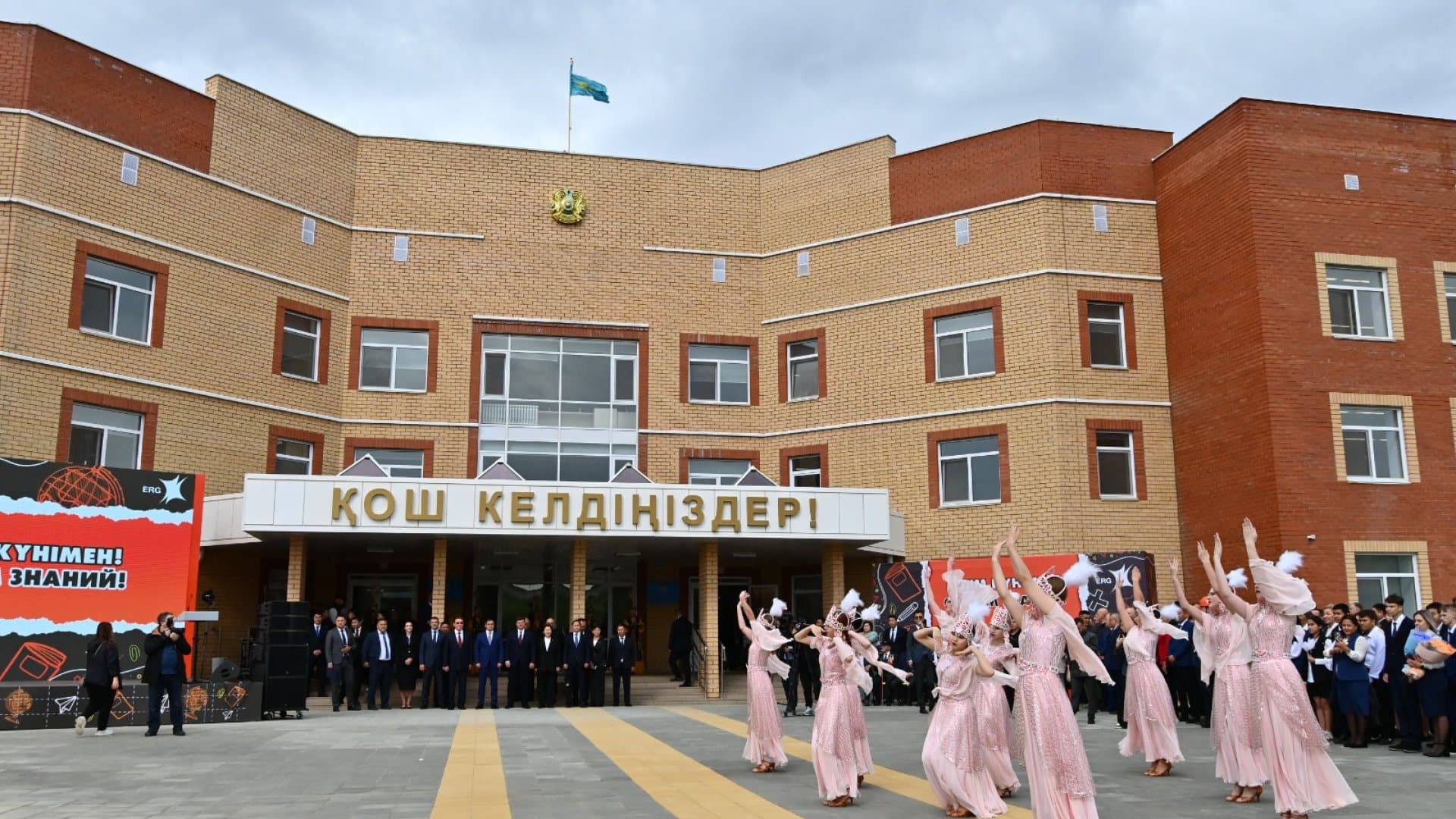
ERG × Rudny secondary school
A secondary school in Rudny wanted stronger security. The audit found blind spots, so the cameras came before the software — then three modules and the app.
- AI detection modules live
- 3AI detection modules live
- Blind spots left after the camera audit
- 0Blind spots left after the camera audit
- Stakeholder groups on one channel
- 3Stakeholder groups on one channel
The situation
A secondary school in Rudny approached AMAN to strengthen its campus security infrastructure. The request was for technology. What it got first was an audit.
What the audit found
Before anything was deployed, the team assessed the surveillance already in place: where the cameras were, what each one covered, and what none of them could see.
It found several blind spots across the school grounds — areas no camera reached, leaving parts of the campus effectively unmonitored.
That decided the order of the work. Analytics on a camera that is not pointed at the problem detects nothing, so the gaps were closed with additional cameras before any software was deployed. It is the least glamorous stage of a project like this and the one that determines whether the rest of it means anything.
What was deployed
With complete territorial coverage in place, AMAN Secure was integrated and configured with three detection modules:
- Weapon detection — real-time alerts when firearms, knives or hazardous objects are detected on camera.
- Smoking detection — automated detection of smoking behaviour in restricted zones across the school grounds.
- Aggressive behaviour detection — pattern recognition identifying physical altercations, intimidation and repeated conflict behaviour.
The AMAN mobile app was rolled out alongside them, and the sequence there mattered as much as the sequence on the cameras. It began with parent information sessions covering what the app is for, what it does and how it handles data, and only then moved to student onboarding and activation. An app that appears on a child's phone unexplained is the fastest way to lose a parent body, and it is the school — not the vendor — that has to answer for it locally.
The result was a live communication channel between students, parents and the school administration.
How it was rolled out
- On-site audit. Full assessment of the existing surveillance infrastructure — camera placement, coverage zones and blind spots across the school grounds.
- Infrastructure upgrade. Additional cameras installed to close the coverage gaps, ensuring complete territorial monitoring before any software was deployed.
- AMAN Secure deployment. Three detection modules configured and activated: weapon, smoking and aggressive behaviour detection.
- Parent information sessions. Stakeholder engagement before student onboarding — the app's purpose, its features and its data practices, explained to parents.
- Student onboarding and activation. Students enrolled on the AMAN app, opening the channel between students, parents and administration.
What changed
Rudny became a full-stack pilot: physical security and digital support running at the same time rather than one after the other.
- Complete territorial camera coverage, with no remaining blind spots
- Real-time video analytics across every monitored zone
- An active AMAN app channel between students, parents and administration
- Three AI detection modules live and operational
The part that reaches beyond this one site is the last one: feedback from all three stakeholder groups fed directly into the next stage of platform development. A pilot that produces only a working installation is worth less than one that also tells you what to build next.